
Digital Bato: Your Digital Marketing Experts in Nepal

blog

"Google SEO Ranking increase"
blog

Best SEO for Small Business: Skyrocket Website Traffic.

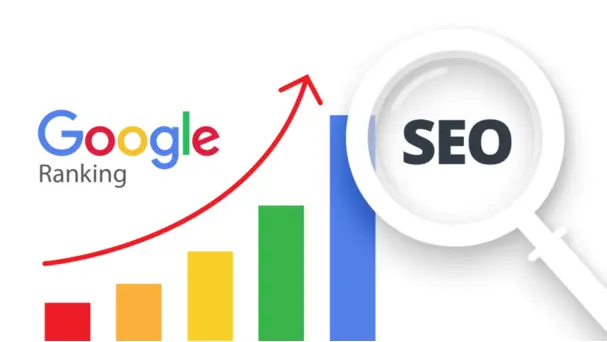
Every small business owner dreams of a bustling storefront – both physical and digital. You’ve invested your passion, your time, and your savings into creating something valuable. But if your website is languishing on page two (or beyond) of Google, that dream of a thriving online presence can feel out of reach. You’re not alone in this struggle for website traffic. Many small businesses, from the charming pasals in Kathmandu to local shops worldwide, face the same challenge: how to get noticed in the vast digital marketplace. The good news? You don’t need a massive marketing budget to compete. What you need is a strategic roadmap. This isn’t about guesswork; it’s about following a proven Small Business Blueprint built on SEO strategies designed to skyrocket your website traffic. Let’s dive into the essential pillars that will guide more eager customers to your digital doorstep. Pillar 1: Foundational Keyword Research – Your Digital Compass Imagine setting out on a journey without knowing your destination. That’s what marketing without proper keyword research feels like. For small businesses, this is the very first step to attracting relevant traffic. The Strategy: Understand the exact words and phrases your target audience types into search engines when looking for your products or services. Go beyond obvious terms. Think long-tail keywords (e.g., “handmade leather bags Kathmandu” instead of just “bags”) and local keywords (e.g., “best coffee shop near me” or “reliable electrician Bagmati Province”). Action: Use tools like Google Keyword Planner (free), Semrush, or Ahrefs to uncover high-intent keywords with manageable competition. Focus on keywords that show clear buying intent. Pillar 2: On-Page SEO Optimization – Building a Strong Digital Foundation Once you know what people are searching for, you need to optimize your website’s actual pages to tell search engines (and users!) that you’re the perfect match. The Strategy: This involves integrating your chosen keywords naturally into your website’s elements, ensuring clarity and relevance. Action: Compelling Page Titles (H1s): Make them descriptive and include your primary keyword. Meta Descriptions: Craft enticing summaries that encourage clicks from search results. Quality Content: Write informative, valuable, and engaging website content that directly addresses user intent. Don’t just stuff keywords; provide real value. Internal Linking: Link relevant pages within your own site to guide users and search engines. Pillar 3: Technical SEO – Ensuring Your Website’s Engine is Tuned Even the best content won’t rank if your website has technical issues. This is the underlying infrastructure that helps search engines efficiently crawl and understand your site. The Strategy: Focus on making your website fast, secure, and easily accessible to both users and search engine bots. Action: Site Speed: Optimize images, leverage browser caching, and consider a fast hosting provider. A slow site is a major turn-off for users and search engines. Mobile-Friendly: Ensure your site is responsive design and renders perfectly on all devices. Google prioritizes mobile-first indexing. Site Structure & Crawlability: Use clear URLs, an XML sitemap, and a robots.txt file to help search engines navigate your site effectively. Pillar 4: Local SEO Domination – Becoming Your Neighborhood’s Digital Favorite For small businesses with a physical location or serving a specific area, Local SEO is your secret weapon to attract customers in your vicinity. The Strategy: Focus on making your business visible in local search results and on maps. Action: Optimize Google My Business (GMB): This is non-negotiable. Claim and fully optimize your GMB profile with accurate information, photos, business hours, and services. Gather Local Reviews: Encourage your satisfied graahak to leave positive reviews on GMB and other review sites. This builds trust and boosts local search rankings. Local Citations: Ensure your business name, address, and phone number (NAP) are consistent across all online directories (like Yellow Pages, industry-specific listings). Pillar 5: Quality Backlink Building – Earning Digital Endorsements Backlinks are essentially “votes of confidence” from other websites. The more reputable websites that link to yours, the more authoritative your site appears to search engines. The Strategy: Focus on earning high-quality backlinks from relevant, trustworthy websites, not just any link. Action: Create Link-Worthy Content: Develop unique, valuable content (e.g., original research, in-depth guides) that others want to link to. Local Partnerships: Collaborate with other local businesses or community organizations for mutual linking opportunities. Guest Blogging: Write articles for other relevant blogs in your industry, including a link back to your site. Pillar 6: Content Marketing – The Traffic Magnet that Keeps Giving Content is the fuel for your SEO engine. High-quality, relevant content attracts visitors and keeps them engaged. The Strategy: Consistently create valuable blog posts, articles, videos, and guides that address your target audience’s questions, pain points, and interests. Action: Develop a content calendar. Share your content across social media platforms to amplify its reach. The more people who read and share your content, the more signals it sends to search engines about its value. Pillar 7: Performance Tracking & Analytics – Navigating with Data You can’t improve what you don’t measure. SEO is an ongoing process, and continuous monitoring is key to success. The Strategy: Use data to understand what’s working, what’s not, and where to optimize your efforts for maximum ROI. Action: Install Google Analytics & Search Console: These free tools are indispensable for tracking website traffic, keyword performance, user behavior, and identifying technical issues. Regular Reporting: Review your performance metrics regularly to make data-driven decisions and refine your SEO strategies. Your Blueprint for Success Skyrocketing your website traffic isn’t an overnight miracle; it’s the result of systematically applying these best SEO strategies. For your small business, especially in a dynamic market like Kathmandu, building this digital marketing blueprint will allow you to step out of the shadows, attract more eager customers, and ensure your online presence is as vibrant and successful as your business deserves to be. Start building your blueprint today, and watch your website traffic soar!

AI The Future of Digital Marketing
blog

AI in Digital Marketing: Your Secret Weapon for Smarter Campaigns

In the ever-evolving landscape of digital marketing, staying ahead means embracing innovation. While terms like “mobile-first” and “tailored content” have become industry mantras, there’s a new, powerful force reshaping how we connect with customers: Artificial Intelligence (AI). Far from being a futuristic concept, AI is already proving to be your secret weapon for crafting smarter, more effective digital marketing campaigns. Why AI is No Longer a Buzzword, But a Business Imperative You’ve heard the buzz, but what does AI truly mean for your marketing efforts? Simply put, AI algorithms can process vast amounts of data at speeds and scales impossible for humans. This capability translates directly into tangible benefits for every facet of your digital strategy, from mobile phone advertising to mobile app marketing agency strategies. Here’s how AI is transforming the game: 1. Hyper-Personalization at Scale Gone are the days of one-size-fits-all campaigns. AI analyzes user behavior, preferences, and demographics to create highly personalized experiences. Imagine dynamic website content that changes based on a visitor’s past interactions, or email campaigns that send offers precisely when a customer is most likely to convert. This level of personalization, driven by AI, significantly boosts user engagement and conversions – a critical component of mobile marketing. 2. Smarter Advertising and Ad Targeting AI’s ability to segment audiences with incredible precision means your ad spend goes further. Platforms like Google and Meta leverage AI to identify the ideal audience for your ads, optimizing bidding strategies in real-time for the best app marketing strategies and general digital ads. This leads to higher click-through rates and lower customer acquisition costs. Whether it’s mobile phone advertising or broader display ads, AI ensures your message reaches the right eyes. 3. Content Creation and Optimization on Steroids Struggling with writer’s block? AI-powered tools can assist in generating blog post ideas, writing ad copy, and even crafting social media updates. Furthermore, AI can analyze existing content performance, suggesting optimizations for headlines, keywords, and even optimal publishing times to maximize reach and engagement. This is invaluable for delivering the concise text and engaging visuals essential for mobile marketing. 4. Predictive Analytics for Proactive Strategies AI doesn’t just tell you what happened; it predicts what will happen. By analyzing historical data, AI can forecast trends, identify potential customer churn, and even predict the success of future campaigns. This allows marketers to be proactive, adapting strategies before problems arise and seizing opportunities as they emerge. For instance, anticipating customer needs can lead to timely SMS campaigns or targeted mobile app offers. 5. Enhanced Customer Experience through Chatbots and Voice Assistants AI-powered chatbots provide instant 24/7 customer support, answering queries, guiding users through sales funnels, and even collecting valuable feedback. Voice assistants are also increasingly influencing search behavior, making AI-driven SEO strategies for voice search a growing imperative. This real-time interaction is crucial for mobile marketing, where instant communication of offers and updates is key. Implementing AI in Your Digital Marketing Strategy You don’t need to be a data scientist to leverage AI. Many popular digital marketing platforms already integrate AI capabilities. Here’s how you can start: Audit Your Current Tools: Many CRM, email marketing, and advertising platforms have built-in AI features you might not even be fully utilizing. Start Small: Experiment with AI for a specific task, like A/B testing ad copy or optimizing email send times. Focus on Data Quality: AI thrives on good data. Ensure your data collection methods are robust and your data is clean. Partner Smart: If you’re a small business or need specialized help, consider a mobile app marketing agency or a digital marketing firm that has expertise in AI implementation. The Future is Smart, The Future is AI For businesses in Gorkha and beyond, embracing AI is no longer optional; it’s a strategic necessity to stay competitive. By harnessing the power of AI, you can move beyond guesswork and deploy truly smarter, more efficient, and ultimately more profitable digital marketing campaigns.

"Social media for business growth"
blog

Increased social reach: Powerful audience expansion with ads.

In today’s hyper-connected world, social media isn’t just a trend; it’s an undeniable force. From keeping up with friends and family to discovering new brands and trends, platforms like Facebook, Instagram, X (formerly Twitter), LinkedIn, and TikTok have woven themselves into daily life. For businesses, this offers an unparalleled opportunity: the chance to connect directly with your target audience, build brand loyalty, and drive conversions. However, simply having a social media presence isn’t enough. The organic reach of posts has steadily declined across most platforms, making it increasingly challenging to cut through the noise and get your message seen by a substantial audience. This is where the true power of social media advertising truly shines. Beyond Your Followers: Reaching a Wider Net with Social Ads Think of your current social media followers as your inner circle. While valuable, they likely represent only a fraction of your potential customer base. Social media ads allow you to break free from the confines of your existing follower count and reach a much broader, highly targeted audience. Here’s how digital advertising empowers powerful audience expansion: Precise Targeting Capabilities: This is perhaps the most significant advantage. Social media platforms possess an incredible amount of data on their users. As an advertiser, you can leverage this data to define your ideal customer with remarkable precision. Want to reach women aged 25-45 who live in a specific city, are interested in sustainable fashion, and have recently engaged with similar brands? You can do that. This granular ad targeting ensures your ad spend is optimized, reaching people who are genuinely likely to be interested in your product or service. Demographic Targeting: Pinpoint users by age, gender, location, language, education level, relationship status, and more. Interest-Based Targeting: Go beyond demographics by targeting users based on their expressed interests, hobbies, pages they follow, and content they engage with. This is incredibly powerful for niche businesses. Behavioral Targeting: Leverage data on user behaviors like purchase history, device usage, travel habits, and more for even deeper segmentation. Custom Audiences: Have an email list of existing customers or website visitors? You can upload these to create custom audiences and target them with specific campaigns, such as retargeting ads. Lookalike Audiences: This is a game-changer for audience expansion. Once you have a custom audience (e.g., your best customers), platforms can create “lookalike” audiences – users who share similar characteristics to your existing valuable customers. This significantly expands your reach with highly qualified leads for customer acquisition. Driving Tangible Results with Increased Social Reach Increased social reach isn’t just about vanity metrics; it translates directly into tangible business outcomes: Brand Awareness: Social media ads can put your brand in front of millions of new eyes, significantly boosting recognition and recall. Website Traffic: Direct users to your website, product pages, or landing pages, driving valuable traffic that can lead to conversions. Lead Generation: Collect leads directly through ad forms, nurturing them into paying customers. Sales and Conversions: Ultimately, online advertising is designed to drive action, whether it’s a purchase, a sign-up, or a download. Community Building: While ads are often about direct response, they can also contribute to growing your organic following and fostering a stronger brand community. Getting Started with Social Media Ads The world of social media advertising might seem complex at first, but with a strategic approach, it’s incredibly rewarding. Here are some key steps for your digital marketing strategy: Define Your Goals: What do you want to achieve with your ads? (e.g., brand awareness, sales, leads). Understand Your Audience: Who are you trying to reach? Create detailed buyer personas. Choose the Right Platform(s): Where does your target audience spend most of their time online? Craft Compelling Ad Creative: Use high-quality images or videos and compelling copy that resonates with your audience. Set a Budget: Start small and scale up as you see results. Monitor and Optimize: Continuously track your ad performance and make adjustments to improve your return on ad spend (ROAS). In an increasingly crowded digital landscape, relying solely on organic reach is a limiting strategy. By embracing the power of social media advertising, businesses of all sizes can unlock unprecedented audience expansion, connect with their ideal customers, and achieve their marketing objectives with remarkable efficiency. Don’t just exist on social media – thrive on it! Follow us on facebook to connect with us https://www.facebook.com/digitalbato

"SEO keyword strategy"
blog

Smarter Keyword Research for Organic Traffic in 2025

The world of search is always changing. By 2025, how we approach keyword research will be more critical than ever for boosting organic traffic. The old methods of simply finding high-volume keywords and stuffing them into content are dead. To truly win in organic search next year, you’ll need a much smarter, more advanced strategy. Here’s how to elevate your keyword game for 2025: 1. User Intent & Semantic SEO: Beyond Basic Keywords Forget just individual keywords. Search engines are getting much better at understanding the meaning behind searches and what users really want. Consequently, this is where semantic SEO shines. A. Target Topics, Not Just Terms Instead of only optimizing for “best running shoes,” think about the broader topic of “athletic footwear.” What questions do users have at various stages of their journey? For example, from “what are the best shoes for marathon training” (informational) to “buy Nike running shoes online” (transactional), your content should cover the entire topic comprehensively. B. Decipher User Intent Deeply Furthermore, why is someone searching for a specific phrase? Are they looking to learn, buy, compare, or find a particular site? Use tools and AI to analyze Search Engine Results Pages (SERPs) and related queries. Ultimately, this helps you figure out the user’s underlying intent, allowing you to create content that perfectly matches what they’re seeking. C. Leverage Knowledge Graphs & Entities Crucially, search engines like Google build vast knowledge graphs to understand the relationships between entities (people, places, things, concepts). By naturally weaving related entities and their connections into your content, you help search engines better grasp your content’s context and relevance. 2. The AI Advantage: Tools for Smarter Keyword Insights Artificial intelligence isn’t a futuristic concept; rather, it’s an essential partner in modern keyword research. AI-powered tools are revolutionizing how we analyze data and uncover opportunities. A. Predictive Analytics for Future Trends First off, AI can analyze historical data and emerging trends to anticipate future search queries. This gives you a significant head start on content creation for upcoming shifts in user behavior. B. Automated Keyword Clustering Moreover, manually grouping keywords into topics is time-consuming. AI tools can quickly identify related keywords and cluster them into logical topics, helping you build comprehensive content strategies with ease. C. Enhanced Competitor Analysis In addition, AI can rapidly process competitor data, pinpointing their top-ranking keywords, content gaps, and even predicting their future moves. This allows you to uncover untapped opportunities and refine your own approach for more organic traffic. D. AI for Brainstorming & Content Generation Finally, AI models can act as powerful brainstorming partners, generating a multitude of keyword ideas, content outlines, and even draft content based on your prompts. 3. Embrace Conversational Search & Voice SEO With more people using voice assistants and conversational AI, search queries are becoming longer, more natural, and often question-based. Consequently, your strategy must adapt. A. Target Long-Tail & Conversational Phrases To begin, people speak differently than they type. Optimize for full questions like “What’s the best eco-friendly cleaning product for hardwood floors?” rather than just “eco-friendly cleaning.” These longer phrases often signal higher intent. B. Answer “People Also Ask” (PAA) Questions Next, the “People Also Ask” boxes in SERPs are goldmines for understanding direct user questions. Structure your content to provide concise, direct answers to these questions, significantly increasing your chances of appearing in featured snippets. C. Optimize for Featured Snippets & AI Overviews Therefore, Google’s AI Overviews and featured snippets are becoming more common. Craft content with clear, direct answers to common questions, using bullet points, numbered lists, and Q&A formats. This makes it easy for AI to extract and present your information. 4. Beyond Google: Diversify Your Keyword Research While Google remains dominant, a holistic approach to organic traffic in 2025 means looking beyond its confines. A. YouTube SEO For example, video content continues to surge in popularity. Research keywords relevant to video searches, optimize your video titles, descriptions, and tags, and create content that addresses visual queries. B. Visual Search Platforms: Pinterest, Instagram, & TikTok Similarly, for visually-driven products or niches, these platforms are powerful search engines in their own right. Understand how users search for content on these platforms and optimize your images and videos with relevant keywords and hashtags. C. Community Forums & Social Media Moreover, platforms like Reddit, Quora, and niche Facebook groups are invaluable for understanding the real-world language and pain points of your audience. These conversations can reveal “zero search volume” keywords that are highly specific and indicate strong user intent. 5. Continuous Adaptation & Measurement The digital landscape is fluid. What works today might not work tomorrow. Hence, agility is key. A. Monitor & Analyze Performance First and foremost, regularly track your keyword performance, SERP feature visibility, and organic traffic. Use tools like Google Search Console and analytics platforms to identify what’s working and what needs adjustment. B. A/B Test Your Content Additionally, experiment with different content formats, titles, and meta descriptions to see what resonates best with both users and search engines. C. Stay Informed & Adapt Finally, keep abreast of the latest algorithm updates, AI advancements, and search trends. The most successful SEOs in 2025 will be those who are agile and willing to adapt their strategies. The future of keyword research isn’t about chasing individual terms; instead, it’s about deeply understanding user intent, leveraging the power of AI, and creating comprehensive, high-quality content that truly answers the questions people are asking, regardless of the platform. By embracing these smarter strategies, you’ll be well-positioned to drive significant organic traffic in 2025 and beyond. Follow us on facebook to connect with us https://www.facebook.com/digitalbato

avoid mistakes
blog

Avoiding Digital Marketing Mistakes: A Guide for Businesses in Nepal

In today’s interconnected world, digital marketing isn’t just an option—it’s a necessity. It’s the lifeblood of business growth, offering unparalleled opportunities to connect with customers, build brand awareness, and drive sales. However, the digital landscape is also a minefield of potential missteps. One wrong move can lead to wasted resources, missed opportunities, and even damage to your brand. So, how can businesses navigate this complex terrain and avoid common digital marketing mistakes? Let’s dive into some key digital marketing pitfalls to watch out for and how to steer clear of them. Mistake 1: Not Having a Clear Digital Marketing Strategy One of the most prevalent digital marketing errors businesses make is jumping into digital marketing without a well-defined digital marketing strategy. They might create social media profiles, run a few ads, or publish some blog posts without understanding their target audience, goals, or how these activities fit into a larger plan. How to Avoid It: Before you do anything, take the time to develop a comprehensive digital marketing strategy. This should include: Defining your target audience: Who are you trying to reach? What are their demographics, interests, and pain points? Setting clear goals: What do you want to achieve? More leads? Increased sales? Brand awareness? Be specific and measurable. Choosing the right channels: Where does your audience spend their time online? Focus your efforts on the platforms that will yield the best results. Developing a content plan: What kind of content will resonate with your audience and help you achieve your goals? Mistake 2: Neglecting Your Website Your website is often the first impression a potential customer has of your business. Yet, many companies neglect it, leaving it outdated, slow, or difficult to navigate. How to Avoid It: Your website should be the hub of your business digital marketing efforts. Ensure it is: User-friendly: Easy to navigate, with clear calls to action. Mobile-responsive: Optimized for all devices, especially smartphones. Fast-loading: Users expect quick load times; slow sites lead to high bounce rates. Visually appealing: Professional and reflective of your brand. SEO-optimized: Designed to rank well in search engine results. Mistake 3: Ignoring SEO (Search Engine Optimization) Even if you have a great website and compelling content, it won’t matter if no one can find it. Many businesses underestimate the power of SEO, failing to optimize their online presence for search engines. This is a common SEO mistake that can severely limit your reach. How to Avoid It: SEO is crucial for organic visibility. Implement a robust SEO strategy that includes: Keyword research: Identify the terms your target audience uses to find products or services like yours. On-page SEO: Optimize your website’s content, meta descriptions, and titles with relevant keywords. Technical SEO: Ensure your website’s technical aspects (site speed, crawlability, mobile-friendliness) are in order. Off-page SEO: Build high-quality backlinks to your website from reputable sources. Local SEO: If you have a physical location, optimize for local searches. Mistake 4: Failing to Create Engaging Content In the digital age, content is king. However, simply churning out articles or social media posts without providing value or engaging your audience is a recipe for disaster. This often falls under content marketing mistakes. How to Avoid It: Focus on creating high-quality, valuable, and engaging content that resonates with your target audience. Consider: Variety: Utilize different content formats (blog posts, videos, infographics, podcasts, case studies, etc.). Value: Provide solutions to your audience’s problems, educate them, or entertain them. Storytelling: Humanize your brand and connect with your audience on an emotional level. Consistency: Publish content regularly to keep your audience engaged and maintain search engine visibility. Mistake 5: Not Utilizing Data and Analytics Many businesses invest in digital marketing but fail to track and analyze their results. This means they’re operating in the dark, unable to identify what’s working and what isn’t. How to Avoid It: Data is your best friend in digital marketing. Regularly monitor and analyze your performance metrics using tools like Google Analytics, social media insights, and ad platform reports. Pay attention to: Website traffic: Where are your visitors coming from? Conversion rates: How many visitors are completing your desired actions (purchases, sign-ups, etc.)? Engagement rates: How are users interacting with your content? ROI (Return on Investment): Are your marketing efforts generating a positive return? Use these insights to refine your strategy, optimize your campaigns, and make data-driven decisions. Mistake 6: Neglecting Social Media Engagement Social media isn’t just about broadcasting your message; it’s about building relationships and fostering a community. A common digital marketing mistake is to post and then disappear, ignoring comments, messages, and feedback. How to Avoid It: Actively engage with your social media audience. These social media marketing tips can help: Responding to comments and messages promptly: Show that you value your followers. Participating in relevant conversations: Join groups and discussions related to your industry. Running polls and asking questions: Encourage interaction and feedback. User-generated content: Share and celebrate content created by your customers. Mistake 7: Expecting Instant Results Digital marketing is a marathon, not a sprint. Some businesses become discouraged when they don’t see immediate results, leading them to abandon their efforts prematurely. How to Avoid It: Understand that building a strong digital presence takes time, effort, and consistency. Be patient, continue to learn and adapt, and celebrate small victories along the way. Focus on long-term growth rather than immediate gratification. Conclusion Avoiding digital marketing errors is crucial for success. This digital marketing guide shows that by being aware of these common digital marketing mistakes and actively working to avoid them, you can build a robust digital presence, connect with your target audience effectively, and ultimately achieve your business goals. Remember, continuous learning, adaptation, and a data-driven approach are key to success in the ever-evolving world of digital marketing. What digital marketing challenge are you currently facing, and how can we help you overcome it? Follow us on facebook to connect with us https://www.facebook.com/digitalbato

digital marketing trend 2025
blog

The Future is Now: Top 5 Digital Marketing Trends You Can’t Ignore in 2025

The Future is Now: Top 5 Digital Marketing Trends You Can’t Ignore in 2025 The world of digital marketing moves fast, doesn’t it? What worked great last year might be old news tomorrow. As we head into 2025, it’s clear that just keeping up isn’t enough – you need to be ahead of the curve. So, let’s dive into the top 5 digital marketing trends that are no longer just ideas for the future, but essential strategies you need to be using right now to succeed. 1. Super Smart Personalization, Thanks to AI Forget those generic emails and “spray and pray” ad campaigns. In 2025, it’s all about hyper-personalization, and AI is the star player. AI in marketing is changing how brands understand their customers, analyze tons of data, and create experiences that feel truly made just for you. Imagine a website that changes its content based on what you like, or product recommendations that seem to read your mind. AI makes this possible! It’s not just calling you by your name; it’s about knowing what you want and delivering the perfect message, on the right platform, exactly when you need it. Expect AI to be everywhere in your marketing strategy, from writing content to making ads more effective. This is a huge part of the future of digital marketing. 2. Short Videos Are Still King If you’re not using TikTok, Instagram Reels, or YouTube Shorts, you’re missing out. Short-form video content continues to explode, proving it’s the best way to grab attention, especially with younger audiences. Brands are using these quick videos for everything: fast product demos, peeks behind the scenes, and even showcasing content made by their own customers. The secret? Keep it real and connect fast. As AI tools get better at making videos, it’s easier than ever to create compelling short videos. If your brand isn’t all in on short-form video marketing, you’re skipping a huge chance to connect with people where they love to hang out. 3. Your Data, Your Rules: Privacy Comes First People care more than ever about their privacy, and new rules like GDPR mean data privacy isn’t just an option – it’s a must. The days of tracking everyone with third-party cookies are fading. Now, marketers need to put “privacy-first marketing” at the center of their plans. This means focusing on gathering first-party data directly from your customers, with their clear permission. Being open and honest about how you use data will build trust. Brands that respect user privacy will build stronger, more loyal customer relationships. This shift is vital for the future of digital marketing. 4. Step Inside: Experience Marketing with AR & VR The “metaverse” might still be a bit fuzzy, but augmented reality (AR) and virtual reality (VR) are already changing how brands connect with us. Immersive experiences aren’t just cool tricks; they’re becoming powerful marketing tools. They offer unique ways to show off products, tell your brand’s story, and build deeper connections. Think about trying on clothes virtually, exploring a product in 3D right from your phone, or attending a virtual event that transports you into a brand’s world. These technologies create memorable campaigns that let you truly interact with brands, blurring the lines between the digital and physical. Get ready for more exciting AR and VR marketing in 2025. 5. Good for the Planet, Good for Business: Sustainable Marketing In 2025, consumers are much more aware of how brands impact the environment and society. Sustainability isn’t just a trendy word; it’s a key business strategy that heavily influences what people buy. Brands that genuinely act sustainably and talk openly about their efforts will truly resonate with eco-conscious customers. This means everything from responsible sourcing and green packaging to reducing your digital carbon footprint. Ethical marketing, including fair labor and social responsibility, will also make your brand stand out. Being aligned with these values isn’t just great for the planet; it’s essential for building lasting brand loyalty and success in digital marketing. Follow us on facebook to connect with us https://www.facebook.com/digitalbato

The Power of SEO: How to Improve Your Website Ranking​
blog

The Power of SEO: How to Improve Your Website Ranking​

The Power of SEO: How to Improve Your Website Ranking In today’s interconnected world, whether you’re a local shop in Kathmandu or a global e-commerce store, a strong online presence is non-negotiable. But simply having a website isn’t enough. To truly succeed and connect with your audience, your website needs to be found by search engines. This is where the power of SEO comes into play. Search Engine Optimization (SEO) is the process of enhancing your website to rank higher in search engine results like Google. When someone searches for “best trekking gear in Nepal” or “online grocery delivery Kathmandu,” you want your website to be among the top results. Higher ranking means more visibility, more traffic, and ultimately, more opportunities. Why Mastering SEO is Crucial for Your Website’s Success Investing in SEO offers significant advantages for any online venture: Boost Organic Traffic: SEO targets users actively searching for your products or services. This “organic” traffic is highly valuable because these users have a strong intent to engage or convert. Build Trust & Credibility: Websites that rank high are often perceived as more trustworthy and authoritative. A strong search engine presence can significantly enhance your brand’s reputation. Cost-Effective Long-Term Strategy: Unlike paid ads, organic traffic gained through SEO doesn’t incur a per-click cost, offering a sustainable and efficient marketing channel over time. Understand Your Audience: SEO involves researching keywords and analyzing search behavior, providing deep insights into what your target audience (e.g., in Bagmati Province) is truly looking for. Enhance User Experience: Many SEO best practices, like optimizing site speed and mobile-friendliness, directly improve the user experience, leading to better engagement and lower bounce rates. How to Improve Website Ranking: Key SEO Pillars To truly improve your website ranking, focus on these essential SEO pillars: 1. Strategic Keyword Research The foundation of strong SEO lies in understanding what your potential customers are searching for. Identify relevant keywords: Use tools to discover popular search terms related to your content or business. For a local Nepali business, this might include “trekking poles Thamel” or “Kathmandu valley tours.” Target long-tail keywords: These longer, more specific phrases often have less competition and higher conversion rates (e.g., “best budget hotel near Boudhanath Stupa”). 2. On-Page SEO Optimization This involves optimizing the content and code of individual pages to clearly signal their relevance to search engines. Compelling SEO Titles & Meta Descriptions: Your SEO title should include your primary keyphrase (e.g., “How to Improve Website Ranking: Your SEO Guide”). Your meta description should entice clicks and also contain the keyphrase. High-Quality, Relevant Content: Create in-depth, valuable content that naturally incorporates your target keywords. For example, a detailed guide on “Nepal trekking routes” would perform well. Effective Heading Structure (H1, H2, etc.): Use headings to break up your content and improve readability. Your H1 tag should typically contain your primary keyphrase, like “How to Improve Website Ranking.” Image Optimization: Use descriptive file names and alt text for images (e.g., everest-base-camp-trek.jpg, Alt Text: “Scenic view of Everest Base Camp trek”). Internal Linking: Link to other relevant pages within your own website to enhance navigation and distribute “link juice.” User-Friendly URLs: Create clean, readable URLs that include keywords (e.g., yourwebsite.com/blog/how-to-improve-website-ranking). 3. Off-Page SEO Building Authority Actions taken outside your website are crucial for building trust and authority in the eyes of search engines. High-Quality Backlinks: Earn links from other reputable websites to yours. These are like “votes of confidence.” Focus on natural, relevant links from industry leaders or local directories in Nepal. Social Media Engagement: While not a direct ranking factor, social signals can increase content visibility and drive traffic, indirectly helping SEO. 4. Robust Technical SEO This ensures search engines can efficiently crawl, understand, and index your website. Website Speed & Performance: Optimize your site for fast loading times across all devices. Users (and Google) dislike slow websites. Mobile-Friendliness: Ensure your website is responsive and provides an excellent experience on smartphones and tablets, crucial for users in Nepal and globally. Clear Site Structure: A logical and well-organized website makes it easy for both users and search engine crawlers to navigate. XML Sitemaps & Robots.txt: Use these files to guide search engines on how to crawl your site efficiently.

"Ecommerce Marketing"
blog

Effective Ecommerce Marketing Strategies for Growth Now

Effective ecommerce marketing strategies for business growth is important for any online business looking to grow. It helps you reach more customers, drive traffic to your site, and increase sales also you can stand out in a crowded online marketplace and build lasting relationships with your customers. Optimize Your Website for Better User ExperienceMake sure that your website is easy to navigate, A clean and organized website with clear categories and simple navigation helps customers find what they are looking for quickly. In addition, your website should be mobile-friendly. Many people shop on their phones, so a mobile-responsive site is crucial for a seamless experience. Use Social Media to Engage and PromoteSocial media platforms like Instagram, Facebook, and TikTok is a powerful platform that allow you to reach a large audience. Share high-quality images of your products, post engaging content, and respond to customer questions quickly. By staying active on social media, you can build brand awareness and attract more potential buyers. Leverage Email MarketingEmail marketing is another effective way to keep customers engaged. Send personalized emails with special offers, new product launches, or reminders about abandoned carts.Effective Ecommerce Marketing Strategies for Business Growth ,You can also send regular newsletters to share updates and keep your audience interested in your brand. Offer Discounts and PromotionsAnother way to boost your ecommerce sales is by offering discounts and promotions. Bundles, flash discounts, or limited-time offers can inspire consumers to buy by adding urgency. Track and Analyze Your ResultsTrack your marketing efforts to see what works and what does not and use analytics tools to measure your website traffic, sales, and customer behavior. This data helps you refine your strategies and improve your marketing campaigns. Connect with us https://www.facebook.com/digitalbato  

"Mobile Marketing definition"
blog

Maximize Your Reach with Mobile Marketing Anytime, Anywhere

Maximize your reach with mobile marketing anytime, anywhere, readily connecting with your customer. Mobile marketing empowers customer connection regardless of location. People heavily use smartphones at home, while traveling, or at work. Strategically using mobile marketing allows direct reach via SMS, engaging mobile apps, and targeted ads on preferred websites or mobile applications. Personalize Your Marketing Messages A key method to maximize mobile reach anytime, anywhere is personalized campaigns. Send messages based on customer interests, Gorkha location, or past purchases for deeper brand connection. Offer location-aware discounts near your Gorkha store or tailored deals to repeat buyers, boosting engagement and loyalty locally. Affordable and Effective Mobile marketing offers a cost-effective way to reach many people; in fact, targeted campaigns don’t need a large budget. For example, you can create focused ads on social media or search engines for your ideal customers. As a result, this helps you maximize the value of your marketing budget. Make Your Website Mobile-Friendly For mobile marketing to work well, ensure your ads are mobile-friendly. Indeed, a responsive site guarantees customers a smooth experience on their smartphones, thus making it easy for them to navigate and make purchases. Furthermore, don’t forget to include clear calls-to-action, such as “Shop Now” or “Learn More,” to prompt immediate action from potential customers in Gorkha. Follow us on facebook to connect with us https://www.facebook.com/digitalbato  

importance of seo
blog

The Importance of SEO Marketing for Business Growth

The importance of SEO marketing for business growth helps businesses increase their online visibility, attract organic traffic, and connect with potential customers. Millions of searches are made online every day. Businesses that invest in SEO rank higher in search results, giving them a competitive edge. This higher visibility brings more visitors to their websites and increases the chances of turning them into customers. Keyword Optimization SEO starts with identifying the words your target audience uses in their searches. By using these keywords in your content, you can create articles, blogs, and pages that meet their needs. This method guarantees your material is relevant and enhances your search engine results as well. When users find what they’re looking for, they stay on your site longer, which boosts their satisfaction. On-Page SEO On-page SEO focuses on improving your website’s structure and content. By optimizing headings, internal links, and meta descriptions, you make your site easier for users and search engines to understand. A well-optimized site also creates a better experience, leading to more trust and higher retention rates. Off-Page SEO Off-page SEO includes strategies like building backlinks from trusted websites. These links act as endorsements, showing search engines that your website is credible. Your site will rank higher the more excellent backlinks you create. The importance of SEO marketing for business growth, by focusing on keyword research, on-page improvements, and building backlinks, you can increase your visibility, attract the right audience, and achieve long-term success. Start investing in SEO today to stay ahead of your competition and grow your business effectively. https://www.facebook.com/joogletech

Scroll to Top
Open chat
1
Hello 👋
Can we help you?
At DigitalBato, we combine creativity, data-driven strategies, and industry expertise to deliver expectional digital marketing results.